High-End Japanese Bra Construction Techniques: Key Benefits
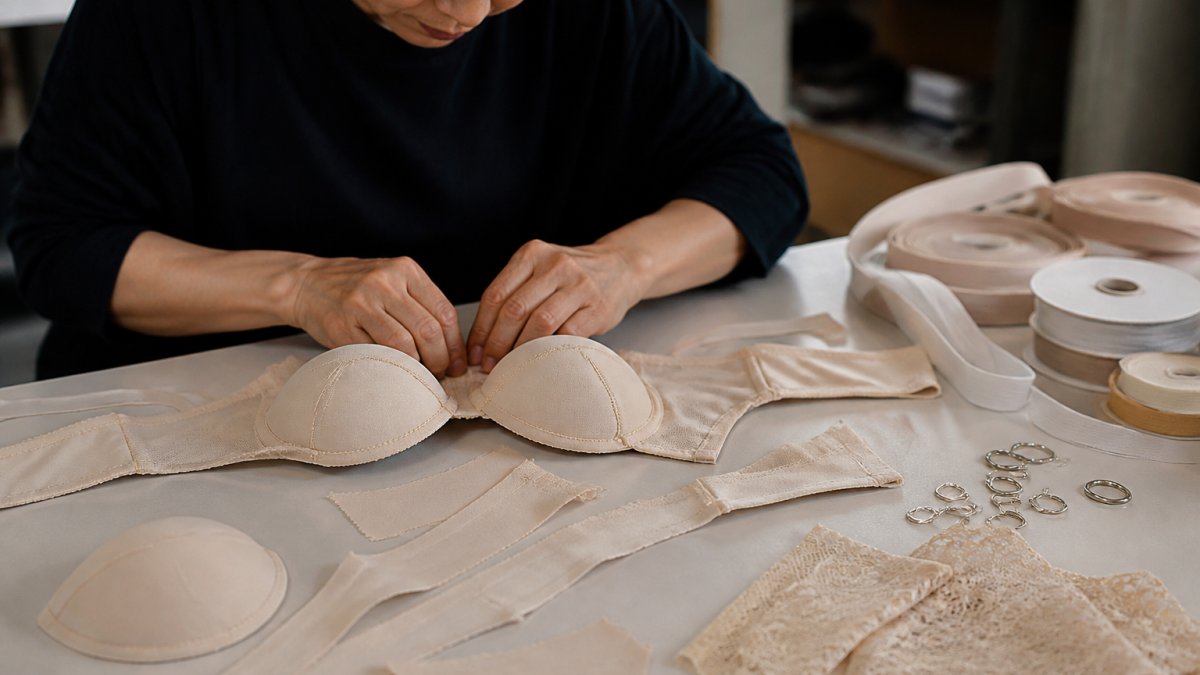
Table of Contents
- What Makes Our Bra Construction Unique
- Precision Engineering in Bra Construction and Anatomy
- Superior Support and Shaping Through Unique Techniques
- The Belle Forme Bra Fitting Guide: How Professional Fitting Works
- Materials and Craftsmanship That Define Quality
- Why Belle Forme Bra Construction Justifies the Investment
- Frequently Asked Questions
Last Updated: October 12, 2026
What Makes Our Bra Construction Unique
High-end Japanese bra construction represents a fundamentally different approach to intimate apparel design. Rather than prioritizing trends or mass-production efficiency, Belle Forme focuses on precision engineering that accounts for how the human body actually moves and changes throughout the day. The philosophy centers on creating a bra that adapts to you, not the other way around.
This approach stems from decades of refinement in garment construction. We have invested in understanding breast anatomy, weight distribution, and the biomechanics of support. Each seam, pad placement, and strap angle serves a specific structural purpose. The result is a garment that feels less like something you wear and more like something integrated into your body that communicates control and confidence.
Belle Forme brings this Japanese precision to the American market, combining it with the romantic elegance of French design aesthetics. Our F-Series bras are engineered using these time-tested construction principles, ensuring that every detail, from cup geometry to back wing support, contributes to an experience that prioritizes both form and function.
Precision Engineering in Bra Construction and Anatomy
Understanding how Japanese bra construction works requires looking at the relationship between garment design and human anatomy. Japanese engineers approach bra design as a problem in structural support, how to distribute weight evenly, minimize strain on shoulders, and maintain lift without relying on excessive padding or underwire tension.
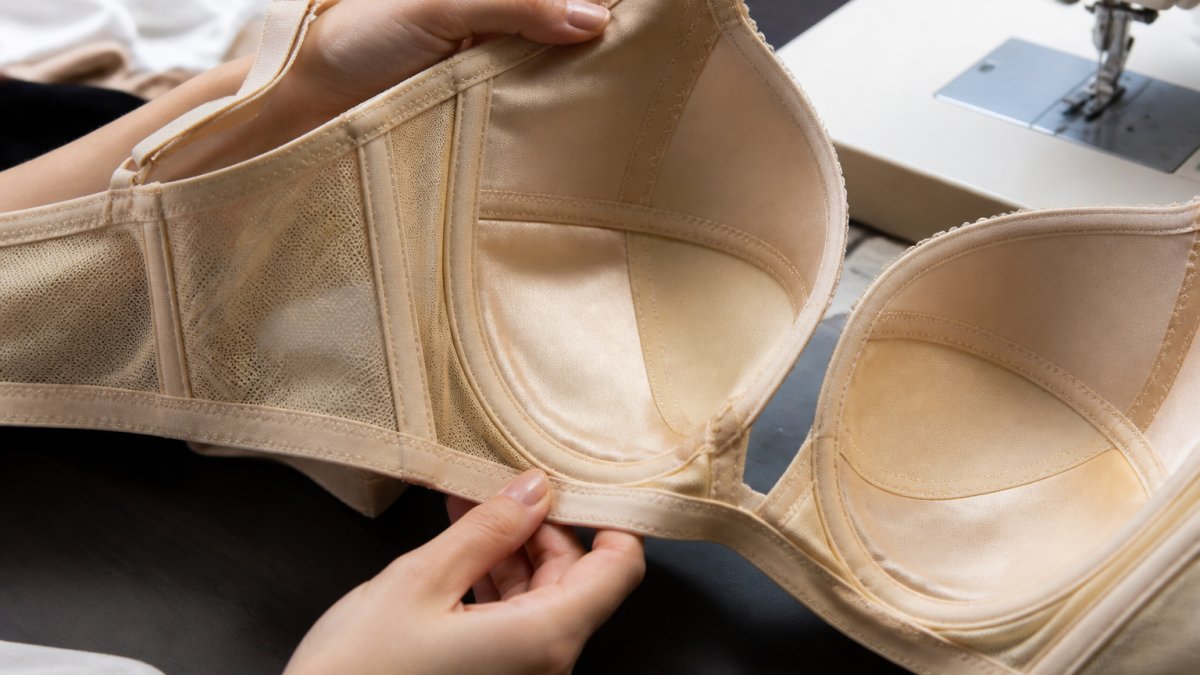
The key difference lies in cup geometry. Rather than creating a simple cone shape, Japanese construction uses curved seaming patterns that mirror the natural contours of breast tissue. These seams aren't decorative; they're functional dividers that allow the fabric to mold to individual body shapes while maintaining support.
Back wing construction receives equal attention. A properly engineered back wing prevents the bra from riding up, a common complaint with other construction methods. Our bras extend the wing higher and use strategic seaming to anchor it firmly against the ribcage. This engineering detail alone explains why many women report that Belle Forme bras feel more secure throughout the day.
Strap placement also reflects anatomical understanding. Rather than positioning straps at the outer edge of the shoulder, our design/construction often angles them slightly inward, which aligns with how most women's shoulders naturally sit. This small adjustment dramatically reduces shoulder strain, particularly for larger cup sizes where weight becomes a significant factor.
The BF Mari F2 Contour Bra demonstrates these principles with its contour fit design, which collects fatty tissue and provides shaping through intelligent seaming rather than excessive padding. This approach creates natural-looking support that enhances your silhouette without the rigid feel of traditional construction methods.
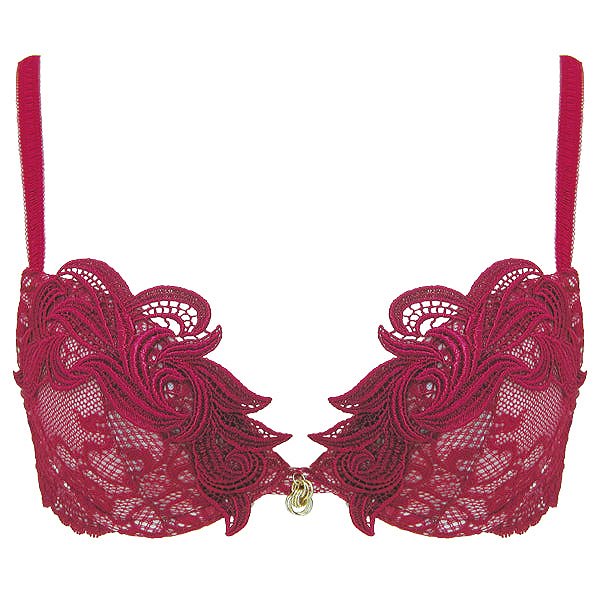
BF Mari Bra
Superior Support and Shaping Through Unique Techniques
The support you experience in a well-constructed Belle Forme bra comes from engineering, not just materials. Many conventional bras rely on rigid underwire and heavy padding to create lift. Our Bras achieve superior support through strategic weight distribution and fabric tension.
One fundamental technique is the use of multiple lightweight layers rather than single heavy layers. By stacking thinner materials, our bras create structure that's responsive to body movement. The fabric layers work together to distribute pressure evenly across the chest and back, reducing the localized pressure points that make traditional bras uncomfortable after hours of wear.
Shaping in our bras focuses on enhancement as well as transformation. This philosophy appeals to women who want support and contouring without the obvious "engineered" appearance, but rather a sophisticated beautiful bra that simple makes you feel beautiful and confident.
The BF Carla F1 Enhance Bra exemplifies this approach, its patented double-padded design allows you to adjust the level of enhancement by removing the second pair of pads, giving you control over how much shaping and/or enhancement you want on any given day.
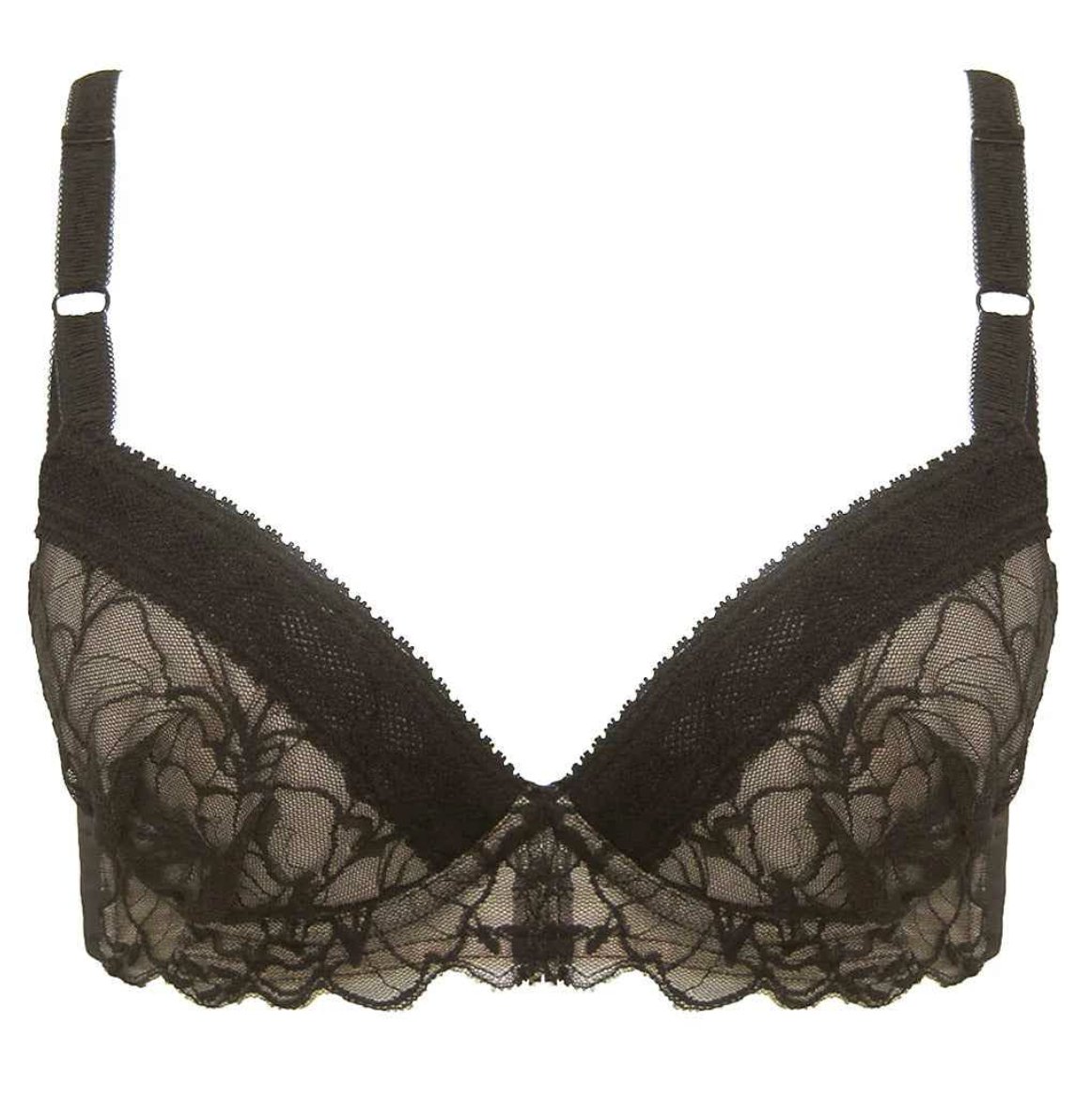
BF Carla F1 Enhance Bra
Underwire design also differs significantly. Our bras often use underwire that's slightly more flexible than mainstream alternatives, allowing the wire to adapt to your ribcage shape rather than forcing your ribcage to adapt to a fixed wire shape. This flexibility, combined with precise cup sizing, means the underwire sits comfortably against your body without digging or shifting.
The longevity of support is another advantage. Because our bras’ construction distributes stress across the entire garment structure, individual components don't wear out as quickly. The elastic maintains its tension longer, seams remain intact through regular washing, and the overall structure holds its shape season after season.
The Belle Forme Bra Fitting Guide: How Professional Fitting Works
Professional bra fitting iat Belle Forme goes far beyond measuring your band and cup size. It's an assessment of how your body interacts with the garment, how the bra sits on your ribcage, how straps align with your shoulders, and how the cups accommodate your specific breast shape and density.
A proper fitting begins with understanding your current fit issues. Many women arrive at a fitting thinking their problem is cup size when it's actually band size, strap placement, or cup geometry, or simply the wrong bra pattern for your given bust shape. A professional fitting specialist trained in our fitting methodology asks detailed questions: Do you experience shoulder pain? Does the bra ride up in the back?
Each of these issues points to a specific construction problem. Shoulder pain often indicates a band that's too loose or straps positioned too far apart. Back ride-up suggests insufficient back wing height or a band that's too large. Gaps indicate a cup size or shape mismatch.
At Belle Forme's professional fitting services at our Del Amo Fashion Center Store, our specialists assess your needs through this diagnostic approach. We examine how different bra constructions interact with your body, considering factors like breast density, shoulder width, and ribcage shape.
One often-overlooked aspect of our fitting technique is the importance of band size accuracy. The band provides the foundation for all other support. If your band is too loose, no amount of cup adjustment will create proper support. Our fitting emphasizes finding your true band size first, then selecting cup sizes and constructions that work with that foundation. That is why we offer free band alteration service if needed to ensure the perfect foundation!
Materials and Craftsmanship That Define Quality
Belle Forme bra construction demands premium materials. The precision engineering only works if the materials can support the design. This is why our bras typically cost more than mass-produced alternatives, the material quality is fundamentally different, not to mention the craftsmanship.
Cotton, High-grade nylon and elastane blends form the foundation of quality our bras. These materials are chosen for their ability to maintain elasticity through repeated wear and washing. These materials work together to provide structure and durability, while elastane allows the fabric to stretch and recover without losing shape.
Lace and decorative elements in our bras serve both aesthetic and functional purposes. Rather than being purely decorative, the lace patterns often reinforce the cup structure or provide additional support in specific areas.
Seaming is where craftsmanship becomes most visible. Our high-quality bras use flat-lock seaming or other advanced techniques that reduce bulk and irritation. Each seam is precisely placed and finished to prevent fraying or coming loose.
Padding materials also reflect the commitment to quality. Rather than using cheap foam that compresses and deteriorates, we use specialized materials that maintain their shape and cushioning properties.
The BF Rhania F2 Contour Bra demonstrates this material commitment with its blend of premium fabrics and thoughtful construction. The overlaying lace provides coverage without bulk, while the flexible shoulder straps and engineered back wing showcase how material selection supports the overall design philosophy.
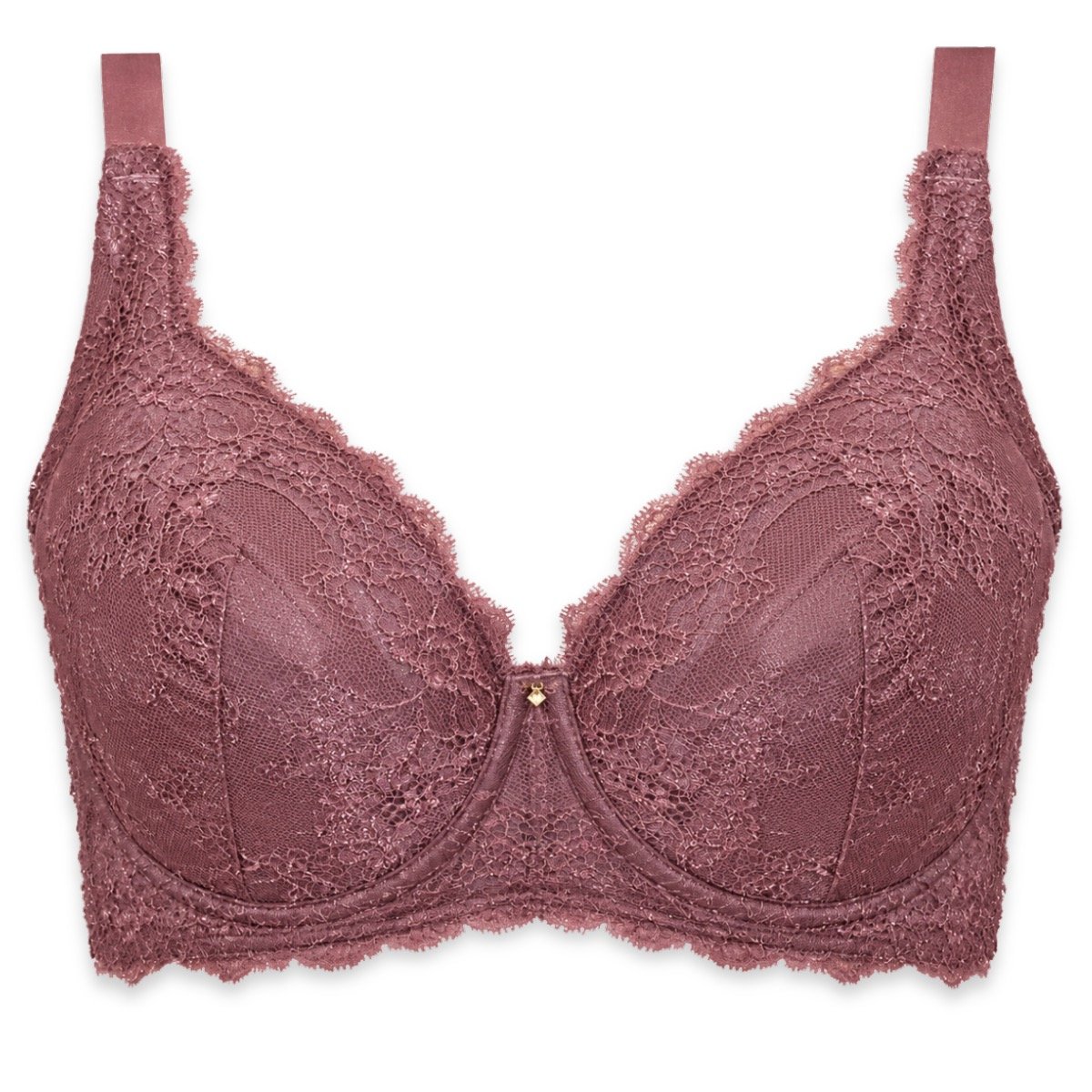
BF Rhania F2 Contour Bra (BBH)
Why Belle Forme Bra Construction Justifies the Investment
The price difference between Belle Forme bras and mass-produced alternatives often surprises shoppers accustomed to fast-fashion pricing. Understanding where that cost comes from helps explain why the investment makes financial sense over time.
Labor costs reflect the skill required for our bra construction. Seaming patterns are more complex, requiring experienced seamstresses who understand how each stitch contributes to the overall structure.
Material costs are higher because quality materials cost more. The cotton-nylon-elastane blends, specialized lace, and advanced padding materials used in our bras aren't available at commodity prices.
The durability argument is compelling. A well-made Belle Forme bra often outlasts three to five mass-produced bras. When you calculate cost per wear over the lifespan of the garment, our bra frequently becomes the smarter choice, not toi mention its shaping benefits short and long term.
Beyond economics, there's the comfort and confidence factor. Women who wear properly fitting, well-constructed bras report measurable improvements in posture, reduced shoulder and back pain, and increased confidence in their appearance.
Professional fitting services in our store further ensure you're investing in a size and style that actually works for your body.
Finding the right bra should never feel like a compromise between support and elegance, comfort and style. Belle Forme bra construction techniques solve this dilemma by approaching intimate apparel as a precision engineering challenge rather than a fashion afterthought.
Frequently Asked Questions
What are the main benefits of High-End Japanese bra construction techniques?
High-End Japanese bra construction used by Belle Forme prioritizes precision engineering to deliver superior support, enhanced shaping, and all-day comfort. These techniques use strategically placed seams, reinforced wing structures, and anatomically designed cups that contour to your body rather than forcing your body into a predetermined shape. The result is a bra that feels like a second skin, provides exceptional lift without discomfort, and maintains its shape through years of wear. Many women find that Japanese-constructed bras eliminate common issues like shoulder digging and back bulge.
How does the Belle Forme bra fitting guide differ from standard fitting methods?
Belle Forme's fitting guide emphasizes comprehensive measurement and individual body assessment rather than generic sizing. Japanese fitting professionals evaluate your specific body contours, breast shape, shoulder width, and back structure to determine not just your size but your ideal fit category. This personalized approach accounts for asymmetry, tissue distribution, and posture. Professional fitting services at our Del Amo Fashion Center Store can help identify whether you need enhanced support, subtle contouring, or maximum lift, then match you to a bra designed specifically for those needs.
How does bra construction and anatomy knowledge help me choose the right bra?
Understanding bra construction and anatomy means recognizing how cup design, seam placement, and back wing structure directly affect your comfort and support. Our construction techniques account for breast anatomy by using angled seams that follow natural contours, reinforced side panels that prevent side spillage, and strategic padding placement that enhances shape without bulk. When you understand these anatomical principles, you can evaluate whether a bra's construction matches your body's needs—whether you need center cleavage, side support, or upper fullness. This knowledge transforms bra shopping from guesswork into informed decision-making.